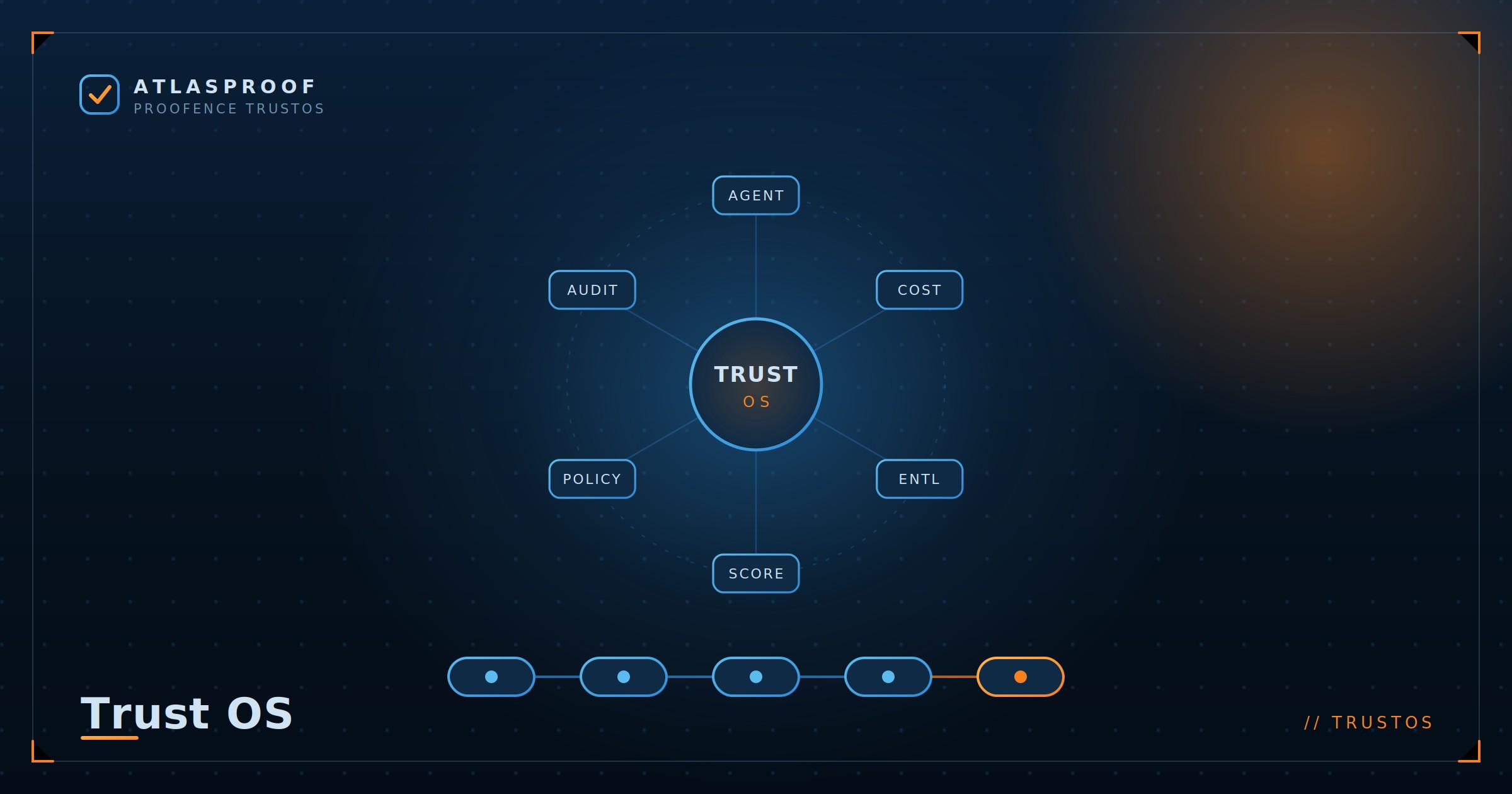
Learn how enterprise teams can use AI verification with policy sets, workflow controls, and multi-tenant governance to adopt AI safely and responsibly.
Enterprise AI adoption is no longer limited to isolated experiments. Companies are now using artificial intelligence across customer support, sales, finance, legal, human resources, software development, compliance, procurement, analytics, and internal operations.
This shift creates a major governance challenge. When many teams use AI across different workflows, organizations need more than model access. They need verification, policy controls, workflow governance, auditability, and tenant-level separation.
AI verification for enterprise teams provides the trust layer required to use AI safely at scale. It helps organizations evaluate AI outputs, control AI actions, enforce internal policies, route uncertain cases for review, and maintain visibility across departments, users, models, and workflows.
In simple terms, enterprise AI verification turns AI adoption from uncontrolled usage into governed infrastructure.
Why Enterprise AI Needs Verification
Enterprise teams operate in complex environments. They manage sensitive data, customer relationships, legal obligations, compliance rules, internal approvals, vendor systems, and role-based permissions. A generic AI assistant may be useful, but it is not enough for enterprise-grade deployment.
An AI output may be accurate but still violate policy. It may be helpful but unsupported by approved sources. It may be generated by an authorized user but applied in the wrong workflow. It may be acceptable for one department and risky for another.
This is why verification matters.
AI verification helps determine whether an output or action is reliable, evidence-supported, policy-compliant, and appropriate for the specific enterprise context. It gives organizations a structured way to decide whether AI-generated results should be approved, warned, reviewed, or blocked.
From Individual AI Use to Enterprise Governance
Many organizations begin AI adoption at the individual user level. Employees use AI tools to summarize documents, draft emails, generate code, analyze data, or brainstorm ideas. This stage can create productivity gains, but it also creates fragmented risk.
Different teams may use different tools. Sensitive information may be copied into unapproved systems. Outputs may be used without review. Policies may exist on paper but not inside the workflow.
Enterprise AI verification closes this gap by embedding governance directly into AI usage.
Instead of relying only on employee judgment, the organization can define policy sets, verification rules, workflow controls, escalation paths, and audit records. This creates a consistent operating model for AI across the company.
Policy Sets for Enterprise AI
Policy sets are one of the most important components of enterprise AI verification. A policy set defines what an AI system is allowed to do, what it should avoid, what requires review, and what must be blocked.
For example, a legal team may require strict citation support before using AI-generated contract analysis. A finance team may require human approval before AI-generated recommendations influence reporting or payments. A customer support team may allow AI-generated responses for low-risk questions but require review for refunds, complaints, or regulated topics. A software team may allow AI code suggestions but require security checks before deployment.
Each department may need different rules. Enterprise verification must support that flexibility.
A strong policy layer helps ensure that AI systems follow business rules, compliance expectations, data restrictions, access permissions, and risk thresholds.
Workflow Controls and Approval Gates
Enterprise AI does not operate in isolation. It connects to real workflows: creating tickets, sending messages, updating records, generating reports, approving changes, writing code, or triggering automations.
This makes workflow controls essential.
Workflow controls determine where AI outputs can move, which actions can be executed automatically, which actions need review, and which actions must be blocked. These controls can be based on trust score, user role, data sensitivity, department, policy posture, model agreement, source support, or action type.
For example, an AI-generated internal summary may be approved automatically if the risk is low. A customer-facing message may require review if it contains sensitive account information. A code deployment recommendation may be blocked if security verification fails.
This creates a practical governance path for enterprise AI: low-risk work can move quickly, while high-risk work receives the oversight it needs.
Multi-Tenant Governance
Multi-tenant governance is critical for platforms serving multiple organizations, business units, clients, teams, or environments. In an enterprise context, each tenant may have its own policies, users, data boundaries, workflows, integrations, and audit requirements.
A multi-tenant AI verification system must keep these environments separated and governed. One tenant’s data should not influence another tenant’s decisions. One department’s policy should not accidentally override another department’s rules. One customer’s audit logs should remain isolated from another customer’s records.
This is especially important for SaaS platforms, consulting environments, regulated industries, enterprise groups, and organizations operating across regions.
Multi-tenant governance allows AI verification to scale while preserving control, privacy, and accountability.
Role-Based Access and Team Controls
Enterprise AI verification also requires role-based access. Not every user should have the same permissions. A manager, developer, compliance officer, reviewer, auditor, and end user may all interact with AI verification differently.
Some users may be allowed to create policy sets. Others may only view trust scores. Reviewers may approve escalated outputs. Auditors may inspect historical logs. Developers may connect APIs and configure workflow rules. Business teams may only see simplified explanations and governance actions.
Role-based controls help ensure that AI governance is not only technically secure, but operationally usable.
The goal is to give each team the right level of visibility and authority without exposing unnecessary complexity or sensitive information.
Trust Scores for Enterprise Decisions
A trust score gives enterprise teams a clear way to evaluate AI outputs. Instead of treating every AI answer equally, the system can assign a 0–100 signal based on multiple verification components.
This score may include model confidence, source support, model agreement, policy posture, risk level, and workflow context. The score can then map to governance actions such as APPROVED, WARN, REVIEW, or BLOCK.
For enterprise teams, this is valuable because it creates consistency. Teams can understand why one output was approved automatically while another required review. Governance becomes measurable, explainable, and repeatable.
A trust score also helps leadership monitor AI adoption across the organization. They can identify high-risk workflows, weak policy areas, recurring review patterns, and opportunities to improve AI reliability.
Auditability and Compliance
Enterprise AI verification must be auditable. Organizations need to know what happened, when it happened, who initiated it, which model or workflow was used, what verification signals were generated, what policy rules were applied, and what final action was taken.
Audit logs are essential for compliance, incident review, vendor governance, internal controls, and executive oversight.
Without auditability, AI decisions become difficult to explain after the fact. With auditability, organizations can review AI behavior, investigate risk events, improve policy design, and demonstrate responsible AI practices.
In regulated or high-impact environments, this can become a core requirement for AI deployment.
Enterprise AI Agents and Action Governance
AI agents increase the need for enterprise verification because agents can perform actions, not just generate content. They may access enterprise systems, call APIs, update records, create tasks, send messages, generate code, or trigger business processes.
For enterprise teams, this means every agent action needs governance.
Verification can check whether the agent has permission to act, whether the input is valid, whether the output is supported, whether the action matches policy, and whether human approval is required. This allows companies to use agentic AI without giving up control over sensitive workflows.
As AI agents become more common, action-level verification will become a key part of enterprise AI infrastructure.
The Future of Enterprise AI Verification
The future of enterprise AI will be governed, multi-layered, and policy-aware. Organizations will not rely only on model performance. They will require verification systems that understand users, departments, tenants, policies, workflows, risks, and audit requirements.
AI verification will become a standard enterprise layer, similar to identity management, cybersecurity, observability, and compliance tooling.
The companies that adopt this layer early will be better positioned to scale AI safely. They will be able to move faster because they have stronger controls. They will also be able to build trust with employees, customers, regulators, and partners.
Conclusion
Enterprise AI adoption requires more than access to powerful models. It requires verification, governance, workflow control, and accountability.
AI verification for enterprise teams helps organizations pair AI capability with policy sets, approval gates, role-based controls, trust scores, audit logs, and multi-tenant governance. This creates a safer foundation for deploying AI across departments and business-critical workflows.
The future of enterprise AI will not be defined only by automation. It will be defined by controlled automation, explainable trust, and governed action.
AtlasProof’s enterprise verification preview outlines that direction: AI systems that are not only useful, but also policy-aware, auditable, and ready for responsible enterprise adoption.